Nestled along the Mediterranean coast between Marseille and the French Riviera, the Calanques de Cassis emerge as a geological masterpiece, where stark limestone cliffs plunge into turquoise waters, creating a landscape of dramatic contrasts. Designated a national park in 2012, this UNESCO-worthy site spans 520 km², encompassing 85 km² of rugged terrain and 435 km² of marine ecosystems. Formed over 80 million years through tectonic shifts and glacial erosion, these fjord-like inlets—known locally as calanques—are a testament to nature’s sculpting power.
Nestled along the Mediterranean coast between Marseille and the French Riviera, the Calanques de Cassis emerge as a geological masterpiece, where stark limestone cliffs plunge into turquoise waters, creating a landscape of dramatic contrasts. Designated a national park in 2012, this UNESCO-worthy site spans 520 km², encompassing 85 km² of rugged terrain and 435 km² of marine ecosystems. Formed over 80 million years through tectonic shifts and glacial erosion, these fjord-like inlets—known locally as calanques—are a testament to nature’s sculpting power.
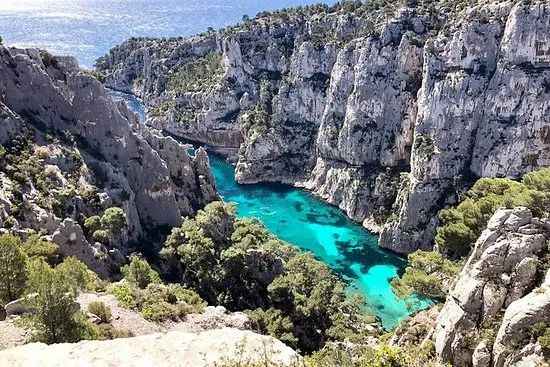
The Calanques’ iconic white limestone cliffs, forged during the Mesozoic era, stand as sentinels against the sea. Over millennia, glacial meltwater and Mediterranean tides carved deep ravines, which later flooded to form the coves we see today. The result is a labyrinth of hidden beaches, sea caves, and sheer cliffs, such as Cap Canaille, France’s highest coastal cliff at 394 meters. The interplay of light on the limestone gives the 海水 a surreal emerald hue, a phenomenon intensified by the clarity of the Mediterranean waters.
Accessible via hiking, kayaking, or boat tours, the Calanques offer boundless exploration. The Sentier des Douaniers trail weaves through pine-scented garrigue, leading to three signature coves:
- Port-Miou: A sheltered harbor lined with fishing boats, accessible via a 20-minute walk from Cassis.
- Port-Pin: A quieter inlet with pebble beaches, ideal for swimming and snorkeling.
- Calanque d’En-Vau: The most dramatic, reached via a steep descent to a pristine beach framed by 100-meter cliffs.
Boat tours, operated by licensed companies with eco-friendly certifications, navigate the coastline, revealing hidden grottoes like the Grotte de l’Ermite and offering panoramic views of the fjords’ vertical walls. For thrill-seekers, kayaking to remote coves or diving among Mediterranean marine life—including dolphins and sea turtles—is a must.
The nearby village of Cassis, a historic fishing port founded by Greek settlers in 600 BCE, adds cultural depth. Its cobblestone streets, pastel-hued houses, and bustling harbor are a haven for artisans and seafood lovers alike. The village’s Château de Cassis, a 9th-century fortress turned luxury hotel, overlooks the bay, while the Église Saint-Michel reflects Provencal architectural heritage.
Efforts to preserve the Calanques’ fragile ecosystem are evident. Strict regulations limit boat traffic, require eco-friendly vessels, and protect breeding grounds for endangered species like . Visitors are encouraged to follow the Leave No Trace principles, ensuring this natural wonder remains unspoiled for future generations.
The best time to experience the Calanques is during shoulder seasons (May–June or September–October), when temperatures are mild, and trails are open without fire restrictions. Summers draw crowds, but early mornings offer serene hikes and empty beaches.
From the rugged cliffs to the crystalline waters, the Calanques de Cassis redefine coastal beauty. Whether hiking the sun-drenched trails or cruising the glimmering coves, this Mediterranean gem promises an unforgettable journey into nature’s raw artistry.